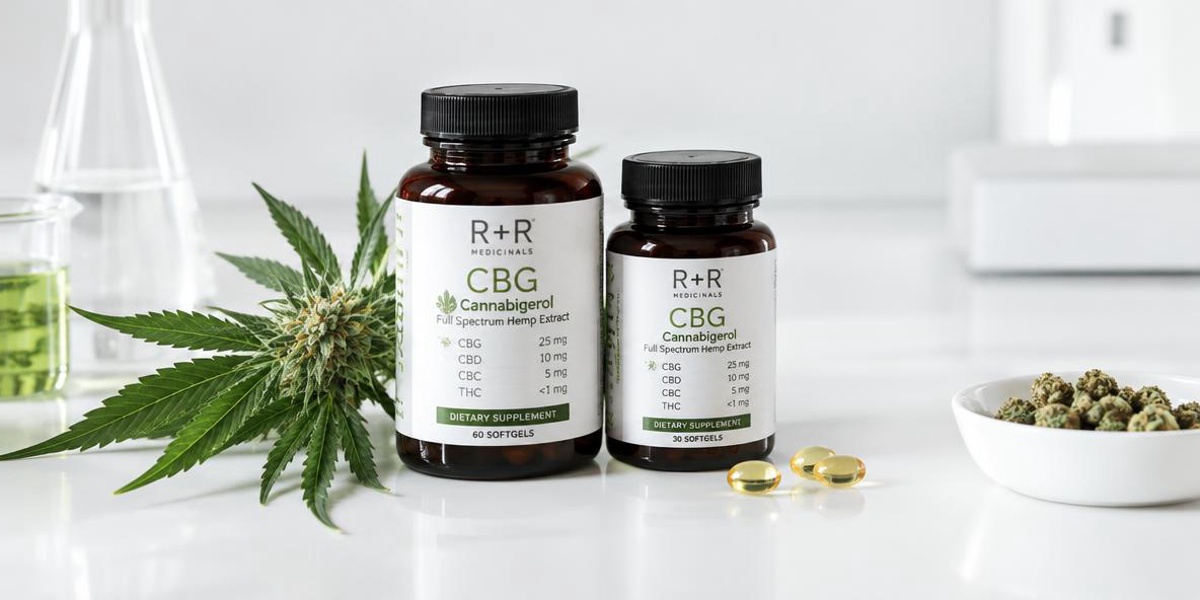
You pick up a CBD oil, a gummy pack, or a pre-roll and notice a new name printed next to CBD. CBG. Maybe with a percentage. Maybe with a claim that it does something special.
You are not imagining it. CBG is having a serious moment, and it is popping up on labels everywhere. So what actually is it, and should you care?
Short answer: CBG is another cannabinoid found in the plant, and it is often called the "mother cannabinoid" because almost every other cannabinoid starts as CBG. Here is the full breakdown, no hype, no jargon.
CBG In One Sentence
CBG stands for cannabigerol, a non-intoxicating cannabinoid that is present in the plant in very small amounts, and that acts as the chemical parent of CBD and most other cannabinoids.
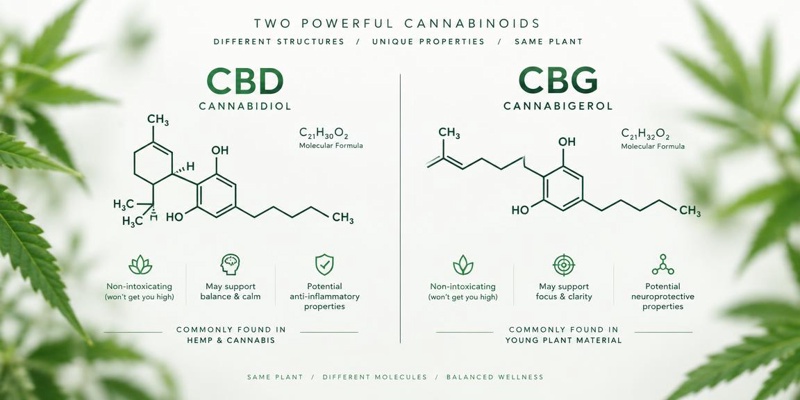
Quick Comparison At A Glance
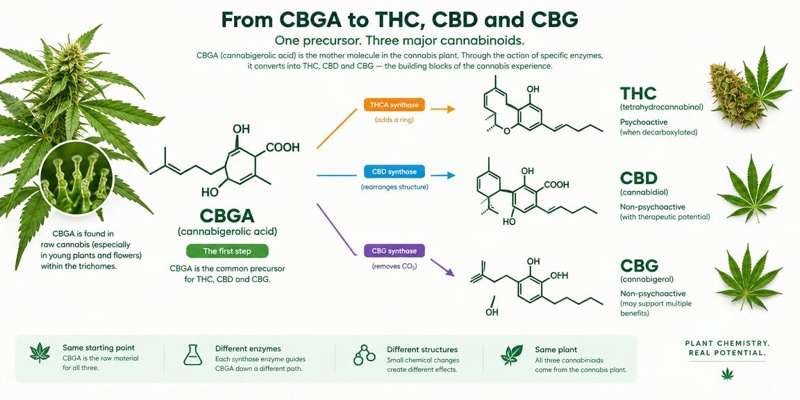
Why CBG Is Called The Mother Cannabinoid
Inside a growing plant, everything starts with a molecule called CBGA, or cannabigerolic acid. As the plant matures, enzymes convert CBGA into the acidic forms of other cannabinoids.
Those acids then become the cannabinoids we know, including CBD, and so on. In a simple way, CBG is where the whole family tree begins.
That is also why CBG is naturally rare. Most of it gets converted into other cannabinoids before the plant finishes growing, which means typical plant material contains only tiny amounts, often under one percent.
Does CBG Get You High?
No. CBG is not intoxicating, which means it will not produce a "high". It behaves more like CBD in that sense.
CBG does interact with the body's endocannabinoid system, but it does so in its own way, without the intense psychoactive effect some compounds are known for. That is a big reason why it is appearing in wellness-focused products rather than being marketed for a buzz.
How CBG Differs From CBD
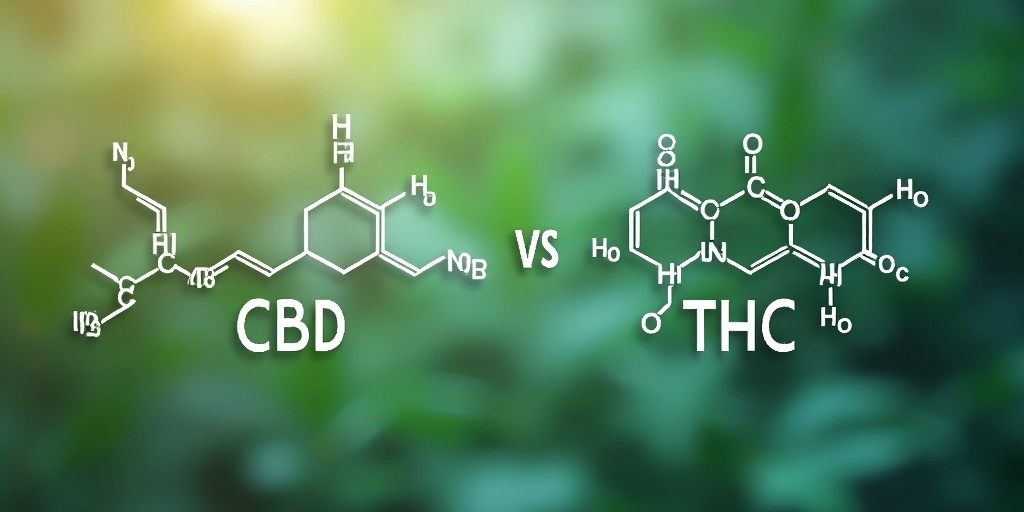
People often lump CBG and CBD together because both are non-intoxicating. They are chemically similar, but not identical, and they interact with the body differently.
- • Both come from the same plant, but through different chemical pathways
- • CBD is abundant in hemp, CBG is naturally scarce
- • CBG is generally researched for different potential uses
- • Many products now combine both, hoping for a broader effect
Because CBG is so rare in the plant, it takes a lot more plant material to extract a meaningful amount, which is a big reason CBG products tend to cost more.
What Is CBG Being Studied For?
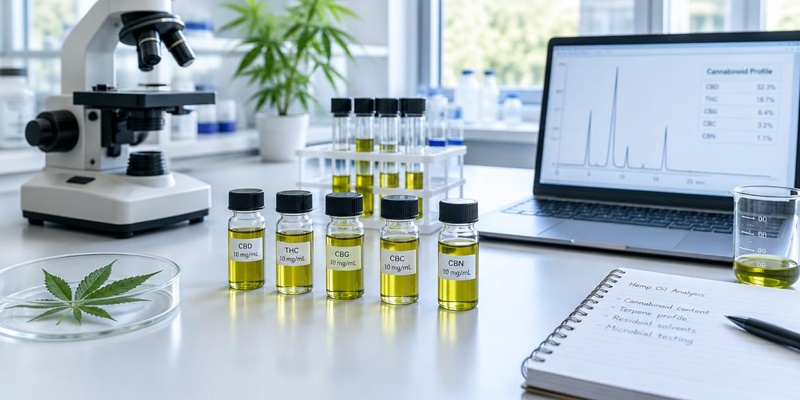
Here is where honesty matters. Most CBG research is early stage. A lot of it has been done in labs or on animals, and human studies are still limited. So treat bold claims on labels with a healthy amount of skepticism.
That said, there is genuine interest in a few areas.
Inflammation
Early studies suggest CBG may have anti-inflammatory activity, though human data is limited.
Appetite
CBG has been studied as an appetite stimulant in animal models, which is different from CBD.
Eye Pressure
Some early research looked at CBG and intraocular pressure, a topic relevant to glaucoma.
Antibacterial
Lab research has explored CBG's activity against certain bacteria, including MRSA in petri dish studies.
Important Reality Check
Promising lab results are not the same as proven human benefits. CBG is an area of active research, not a settled treatment. Always be cautious of labels promising dramatic results.
Why Brands Are Adding CBG To Labels
There are a few very practical reasons CBG is suddenly everywhere.
- • It is a fresh, novel ingredient that helps products stand out
- • It lets brands add to the story they tell about their formulas
- • It pairs well with CBD in the marketing idea of a broader spectrum
- • It signals a more advanced or premium product to buyers
None of that is automatically bad. It just means you should read past the word on the label and check the actual amount, the sourcing, and whether there is a lab report backing it up.
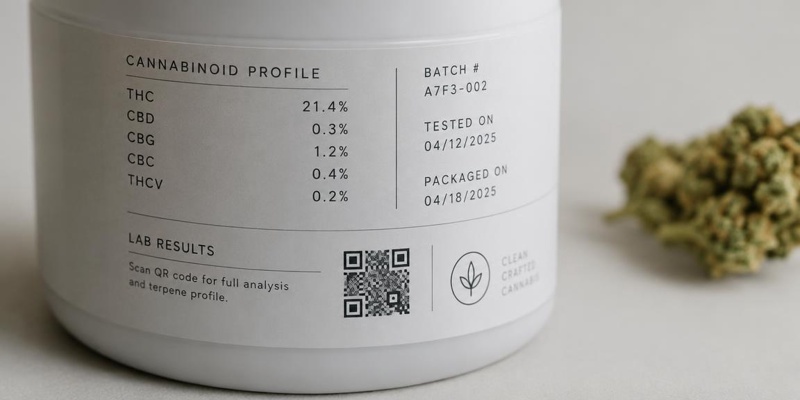
How To Read A CBG Label
Labels can be busy, so here is a simple way to cut through them.
What To Look For
- Actual mg or percentage: A mention of CBG means little without an amount attached.
- Full cannabinoid profile: Good labels list CBD, CBG and others clearly.
- Third-party lab results: A QR code or batch report is a strong sign of a trustworthy brand.
- Intoxicating content: If you are avoiding a high, confirm it is low or non-detectable.
- Sourcing: Hemp-derived CBG is common and usually legal where hemp is legal.
Should You Try CBG?
If you are curious and CBD has been gentle but underwhelming for you, a low-dose CBG product may be worth exploring. Many people start with a product that combines CBD and CBG rather than going for pure CBG.
Start low, go slow, and pay attention to how your body responds, exactly like you would with any new cannabinoid. Keep a simple note of what you took and how you felt.
If you take medications or have a health condition, check with a healthcare professional first, since cannabinoids can interact with certain drugs.
The Bottom Line
CBG is not a magic new plant. It is a genuine cannabinoid that has always been there, just in small amounts, and it is finally getting some attention.
It is non-intoxicating, chemically related to CBD, and the parent molecule of CBD and most other cannabinoids alike. The research is promising but early, and the label trend is driven as much by marketing as by science. Read the numbers, check the lab reports, and treat it like any other cannabinoid: with curiosity and a little caution.
Curious how CBG fits into your routine? Explore our CBD and cannabinoid wellness guides, or use our free dosing calculator to find a sensible starting point.

A Boss
Content Creator, Blog Manager & Social Media Advisor
A Boss is in touch with the culture and works to keep our content current and relevant. Across Elixir Sue he handles content creation, blog management, and social media strategy, translating botanical science and wellness topics into clear, honest, everyday guides.